In today’s fast-moving world, children are often surrounded by bright lights, loud sounds, and rapid-fire media. While excitement has its place, there is growing recognition of the value of low-stimulation play – activities, toys, and media designed to be calm, slow-paced, and gentle. These experiences help children stay settled, nurture focus, and support emotional regulation, offering a soothing alternative to overstimulation.
What Is Low-Stimulation Play?
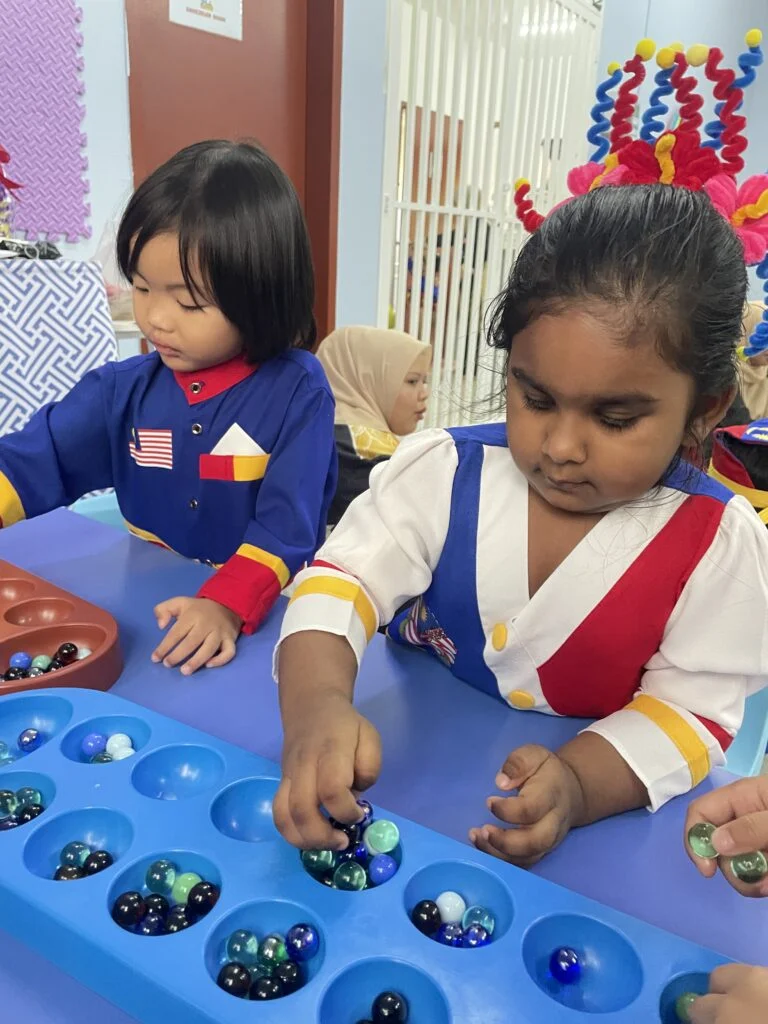
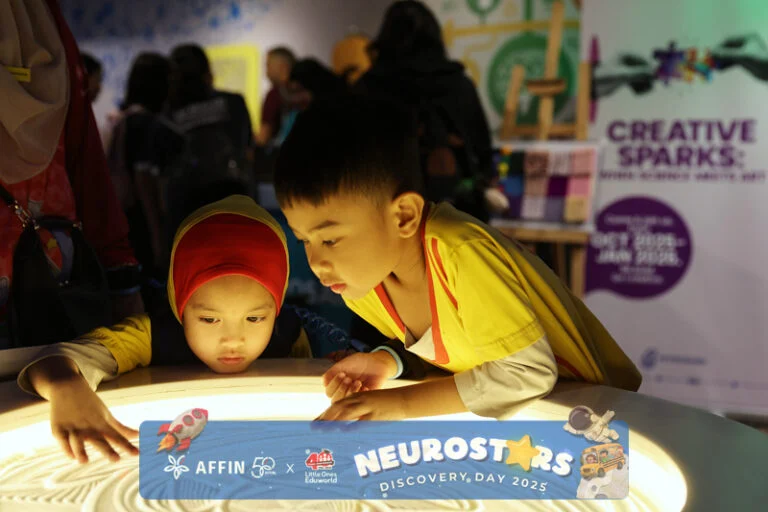
Low-stimulation play refers to activities, toys, or media that are calm, slow-paced, and gentle. Instead of bright flashing lights or loud sounds, these experiences use muted colors, soft music, and simple storylines. The goal is to help children regulate their emotions and enjoy play without feeling overwhelmed.
Key Characteristics of Low-Stimulation Play
- Slower Pace – Activities unfold at a natural rhythm, avoiding the rapid cuts and fast transitions common in high-stimulation media.
- Softer Sensory Input – Gentle music, quiet sounds, and muted, natural color palettes reduce sensory overload and create a calming environment.
- Simple Narratives & Actions – Straightforward storylines and uncomplicated play tasks allow children to process information without feeling overwhelmed.
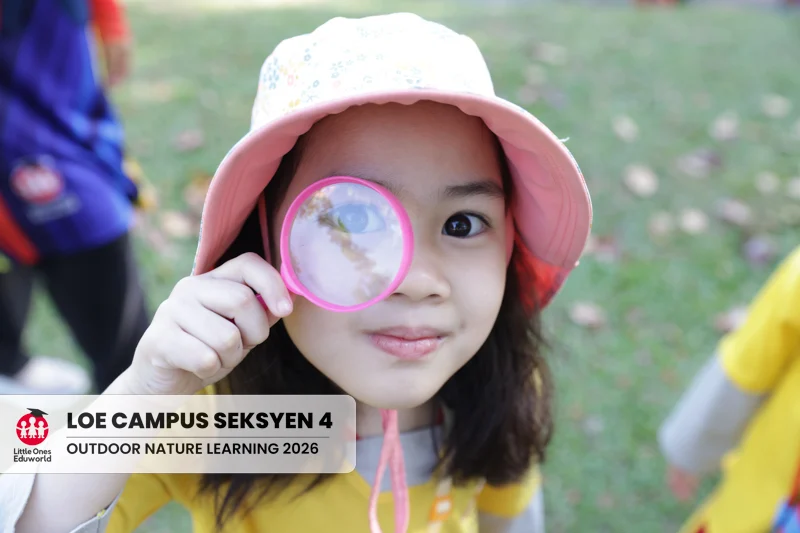
- Focus on Creativity & Calm – Encourages independent play, imagination, and exploration of the real world rather than relying on intense, artificial excitement.
Benefits of Low-Stimulation Play
- Low-stimulation options provide more than just quiet time—they actively support healthy growth:
- Emotional Regulation – Gentle play helps children manage their feelings and stay grounded.
- Improved Focus – Without the distraction of rapid sensory input, children can concentrate more deeply.
- Curiosity & Engagement – Calm environments encourage exploration and creativity.
- Balanced Media Habits – Reduces reliance on “addictive” high-stimulation patterns, fostering healthier relationships with play and screen time.
Gentle Media Choices
Some shows that parents in Malaysia can explore:
- Omar & Hana – Islamic-themed animation with gentle songs and moral lessons; uses soft colors and predictable rhythm.
- Rimba Tales – Short nature stories featuring Malaysian wildlife and folklore; slow narration and soothing visuals.
- Bluey – Creative family play.
- Puffin Rock – Slow storytelling with calming visuals.
- Daniel Tiger’s Neighborhood – Emotional development through predictable stories.

Why It Matters
Research shows that high-stimulation media can make it harder for children to focus, while low-stimulation play fosters curiosity, creativity, and self-regulation. For Malaysian parents juggling work, family, and community life, these gentle routines can help children grow into calmer, more resilient individuals.
Parenting in Malaysia often blends tradition with modern life. By introducing low-stimulation play, whether through bedtime stories, quiet walks around the neighbourhood, or gentle shows, you’re giving your child the gift of calm in a busy world. Sometimes, the softest moments create the strongest bonds.