
By Naziah Nawawie
In every preschool classroom, on every living room rug, and under every cozy blanket fort, storytime holds a kind of magic. It’s more than just a moment of quiet; it’s a portal to wonder, a bridge between generations, and a powerful tool for nurturing language and imagination in young children.
Storytime is where dragons meet durians, where kampung cats chase moonlight, and where a child’s voice begins to shape the world. In 2026, as parenting trends shift toward emotional intelligence, cultural pride, and creative empowerment, storytime is evolving too. It’s no longer just about listening and reading; it’s about creating.
Traditionally, storytime has centered around listening to a parent’s voice or reading from a picture book. These moments are precious; they build vocabulary, strengthen bonds, and introduce children to rhythm, rhyme, and narrative structure. But today’s parents and educators are expanding the circle. Children aren’t just absorbing stories. They’re making them.
Encouraging preschoolers to write and create their own tales unlocks a world of benefits:
Whether it’s a scribbled comic strip, a puppet show, or a tale told aloud with stuffed animals as characters, every story a child creates is a step toward literacy and self-discovery.
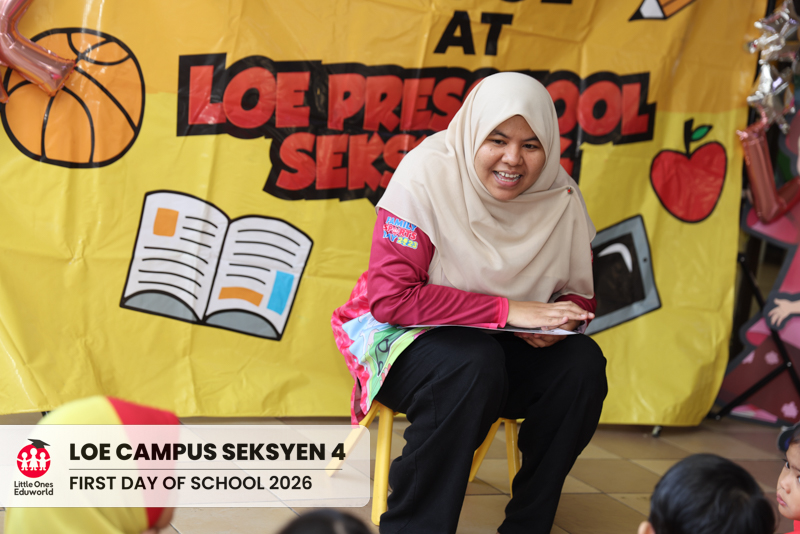
In Malaysia, storytime is deeply rooted in cultural richness. From cerita rakyat like Sang Kancil to pantun and syair, oral storytelling has long been a way to pass down values, humor, and heritage. Today’s parents and educators are reviving these traditions in preschool settings, blending them with modern books and multimedia.
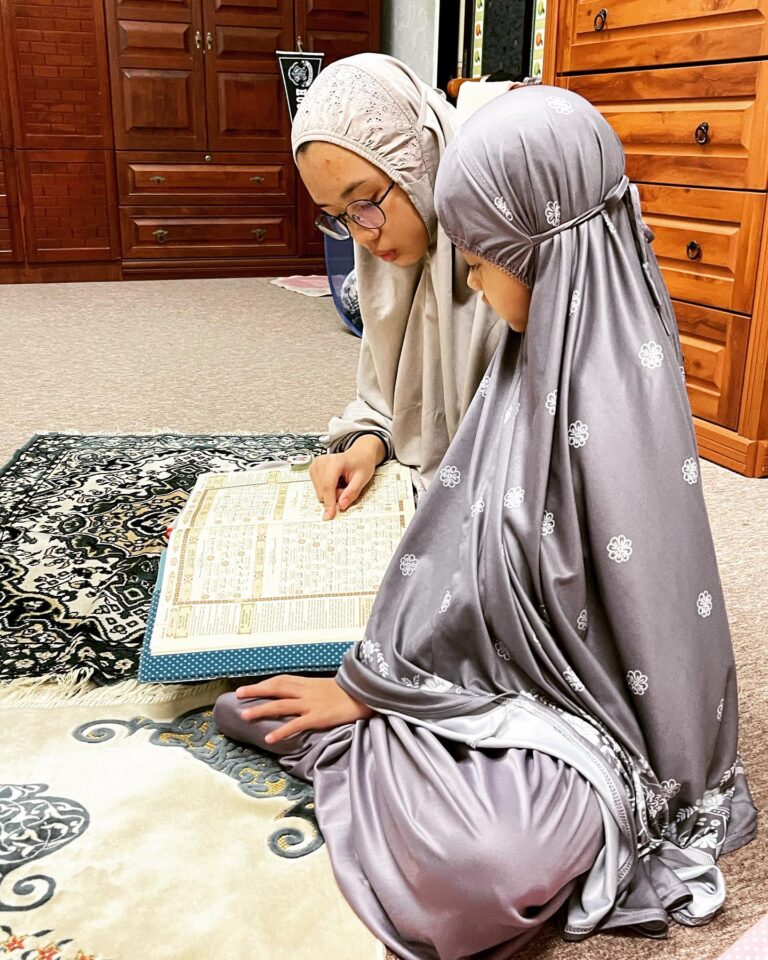
Imagine a classroom where children listen to a tale about Puteri Gunung Ledang, then draw their own mountain princesses. Or a home where a grandparent shares stories, and the child retells it in their own words with dragons, robots, or kampung cats added in. This fusion of listening, reading, and creating makes storytime not just educational but deeply personal. It’s a way to honor heritage while nurturing imagination.
Here are a few playful ways parents and teachers can encourage preschoolers to become storytellers:
Fill a basket with random objects like a feather, a toy car, a spoon, a shell, and invite the child to create a story using them. “The spoon went to the moon” or “The feather belonged to a magical bird” are just the beginning.
Let children draw a picture, then ask them to explain what’s happening. Write down their words and read them back as a story. This builds narrative structure and helps children see their ideas come to life.
Use traditional crafts, foods, or festivals as starting points for storytelling. “What if the mooncake could talk?” or “What did the batik butterfly see?” These prompts connect imagination with identity.
Fold paper into a tiny book and let the child fill it with drawings and words. It doesn’t have to be perfect, it just has to be theirs. These mini books can be shared with family or displayed in the classroom.
Use puppets, dolls, or even kitchen utensils to act out stories. Children often express themselves more freely through characters, and role play builds empathy and emotional literacy.
Encourage children to tell stories in their mother tongue. Whether it’s Bahasa Malaysia or English, or any other local lingo. This strengthens language skills and cultural pride.
Research shows that storytelling activates multiple areas of a child’s brain: language centers, emotional processing zones, and even motor planning regions when gestures or drawing are involved. It’s a holistic learning experience.
Creating stories also supports executive function, skills like planning, sequencing, and flexible thinking. When a child decides that the tiger must cross a river, they’re solving a problem. When they change the ending, they’re adapting. These are foundational skills for school and life.
Storytime is a gentle way to explore big feelings. A child might not say, “I’m scared of change,” but they might tell a story about a bee that doesn’t want to leave its hive. Through metaphor and character, children process emotions safely.
Parents can use stories to validate feelings: “That bee sounds really scared. What helped him calm down?” or “The little girl in your story was brave. What made her feel strong?” These conversations build emotional intelligence.
To conclude, storytime is more than a ritual; it’s a relationship. Between adult and child, between imagination and language, between past and future. When we invite children not only to listen and read, but to create, we give them the tools to shape their world with words, wonder, and heart.
In Malaysia and beyond, storytelling is becoming a tapestry woven with folktales, mindfulness, and community care. It’s about raising children who can name their feelings in a few languages, dance between tradition and tech, and carry cultural values into a global future.
So let’s keep reading. Let’s keep listening. But most of all, let’s hand the pen, or the crayon to the child, and say: “Tell me your story.”